
History of our site
Early history
The name Whiteley Woods is derived from hwit-leah-wudu, meaning bright fair clearing. There has never been a village of Whiteley Woods, only various collections of cottages or small hamlets, called Whiteley Woods Bottom, Whiteley Woods Green and so on.
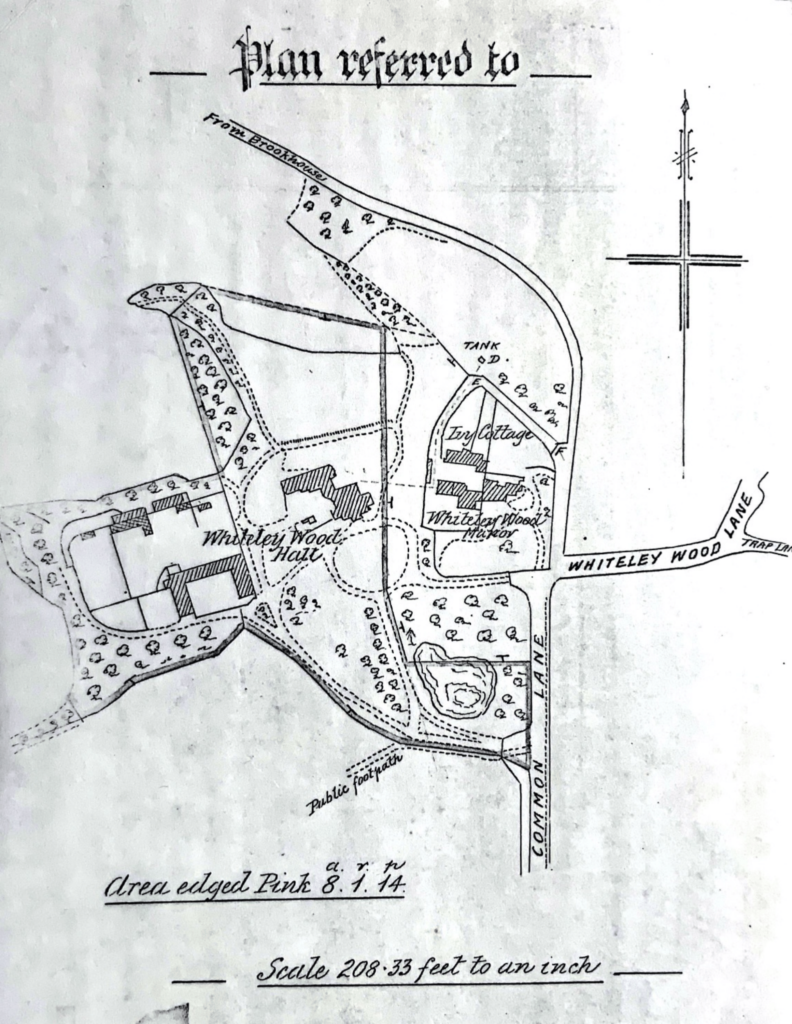
Before Whiteley Woods Hall was built, the land was farmed by the Mitchell and Dale families. In 1658, Thomas Dale gifted some land and three cottages to his daughter, Anne, who was married to John Bright.
In 1659, Bright sold the land to Alexander Ashton, who was High Sheriff of Derbyshire when the villagers of Eyam quarantined themselves from the bubonic plague. Ashton built Whiteley Wood Hall in 1663. He died without a will in 1682 and his widow Alice inherited the hall.
Boulsover family
The hall changed hands several times until 1759, when Thomas Boulsover bought the hall for 1,000 guineas. Boulsover was the pioneer of Sheffield Plate, a composite of silver and copper which was used to plate buttons and snuff boxes.
As well as producing Sheffield Plate at Forge Dam, Bouslover also had a rolling mill and cottages below Whiteley Woods at Wire Mill Dam.
He and his wife Hannah had ten children, but only two daughters survived to adulthood: Mary and Sarah. In 1764, Boulsover gave the hall and land to one of his daughters, Sarah, who was married to William Hutton.
In 1789 Sarah and Mary built the chapel, which now stands in the grounds of Meadow Farm on the corner of Trap Lane, in memory of their father. It has not been used as a place of worship since 1852. Sarah lived at the hall until her death in 1810 and the hall was inherited by her eldest son, also called William Hutton.
Plimsoll Line
Eight years later the hall was passed on to Hutton’s sister, Barbara Silcock, and her husband William Silcock, who in 1820 constructed the drive which is still in use today. In Silcock’s day this would have been the service entrance.
In 1831, after the Silcocks died, the hall passed to their children, Pheobe and Benjamin. Six years later, Pheobe donated the land and £2,200 to make Fulwood Church. When she died, the vicar of the church moved in with his family.
When Benjamin Silcock died in 1861, the hall passed back to the Hutton family, and was then rented out to Samuel Plimsoll, MP for Derby and pioneer of the Plimsoll Line. The Plimsoll Line, also known as the International Load Line, is the line marked on the hull of a ship which denotes the maximum load a vessel can safely transport. It was first implemented in Britain and other countries soon followed their lead.
The estate was divided up in 1872 and Thomas Robert Gainsford, an alderman, bought one of those plots. He was an instrumental figure in the Sheffield water supply and built many dams around the city.
20th Century and the hall’s demise
Gainsford sold the hall to Arnold Muir Wilson in 1893 for £9,000. He went on a world tour in 1903 and died in Victoria, Canada. The hall went into public ownership.
In 1911, the hall was rented to William Clark, the managing director of steel firm Vickers. Vickers bought the hall and nine acres of land out of public ownership in 1920 at a cost of £7,100. The Clark family left in 1926 but the steel firm used the hall for entertaining guests.
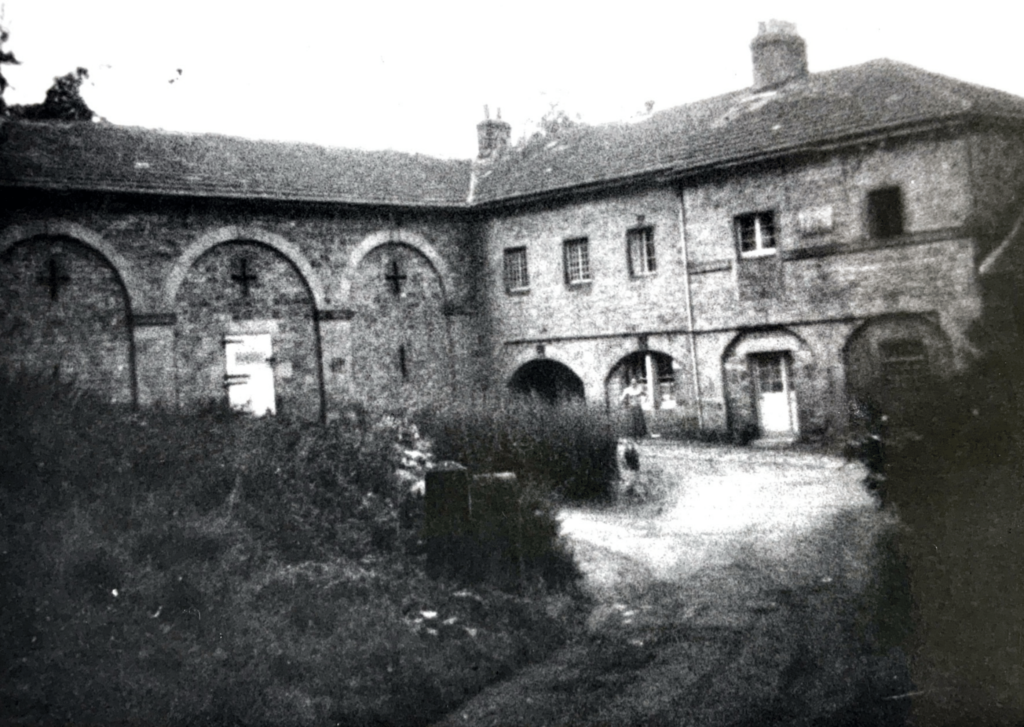
Between 1920 and 1926, Tyzack Cottage, which was the stable room and hay loft, was converted into living accommodation for William Clark’s chauffeur and the chauffeur’s wife.
On June 10th 1928 Vickers let the Guides use the hall and grounds for a visit by Lady Baden-Powell. The leaders had tea inside the hall while the girls had a picnic outside. The hall was sold in 1929 for £2,250 to the Sheaf Investment Company. However lead was stolen from the roof and it was sadly neglected. Water got into the building and it was damaged.
The Guides bought the hall in 1935 for £3,000 which had been loaned to them by three benefactors. In 1936, the roof was declared unsafe, and everything of value inside the hall was sold. Demolition was first discussed in 1938 but it was delayed by the Second World War.
The first groups who stayed on the site before it was effectively maintained had to cut the grass by hand to be able to place tents down as the whole area was very overgrown.
During the Second World War, the grounds were used by many people to help in the war effort, both by Girl Guides, who dug for victory in the orchard, and the Ecclesall Rescue Squad who used the cellar in the old hall.
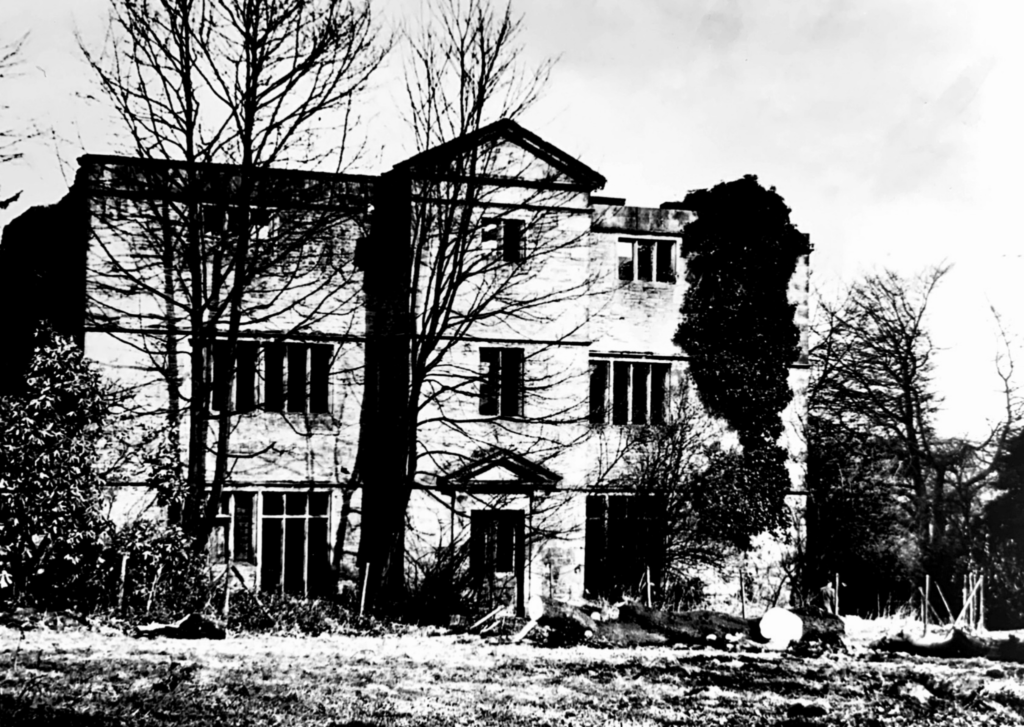
Since Girlguiding bought the area, little had been done to restore the old hall. Consequently, the condition of the building soon deteriorated. This meant that the roof had to be removed and then later in 1959 the hall was demolished, leaving only the outbuildings which stood to the left of the hall. These buildings have all been named after former owners of the hall ‑ Samuel Plimsoll, Sir Stuart Goodwin, Miss Tyzack, Miss Unwin, Thomas Dale, Thomas Gainsford and Thomas Boulsover.
Golden Jubilee to present day
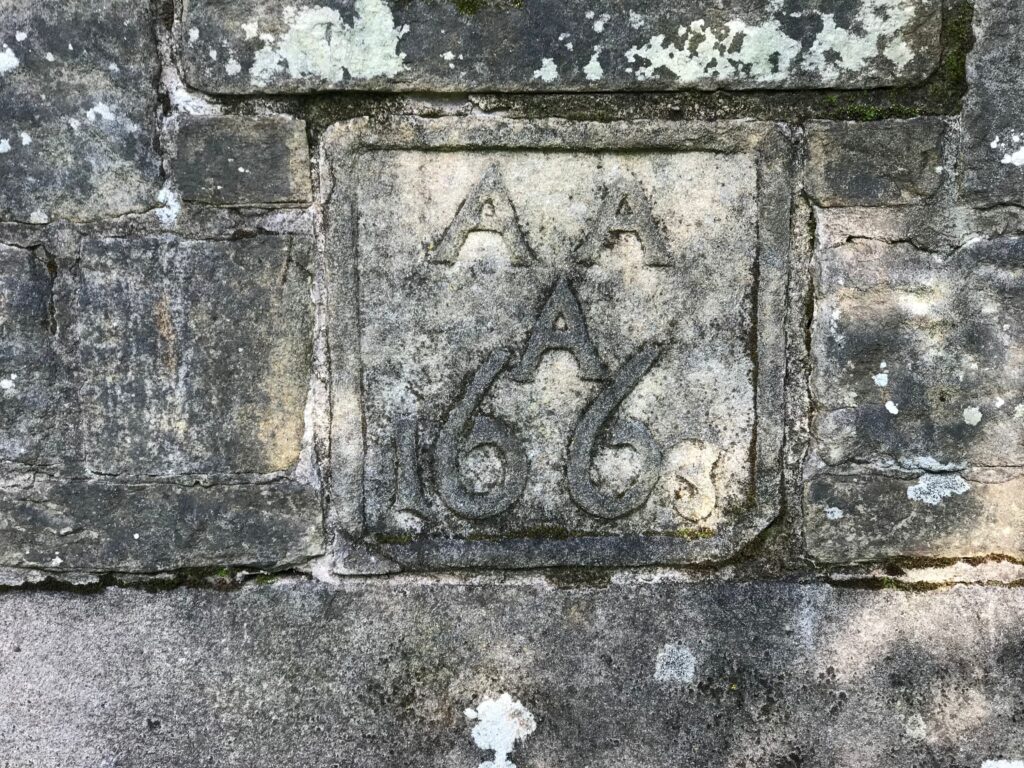
From the leftover stone and the hall’s datestone, a saluting base with flag staff was built to commemorate Guiding’s Golden Jubilee in 1960. The date 1663 and the 3 A’s (for Alexander and Alice Ashton) was kept and in recent years has been restored so that it can be seen more clearly.
In 1965, the Sheffield Golden Jubilee was celebrated with a Jubilee camp with activities including badge making, decorating candles, pioneering and singing. The campsites that were used in the Jubilee camp were then named in 1967 after Guiders who had done a great deal of work in maintaining the area through the years. They were named after Miss F M Swann, Miss M Winder, Miss Rosalie Cole and Miss Freda Slagg. In addition to these four camp sites there is ‘The Orchard’ which is the site of the old walled orchard.The first of many alterations to the Plimsoll barn were carried out in 1970. This transformed the old threshing barn, which had trees growing through it, into a wet weather shelter and training hall. This was then opened by Mrs R.H. Outhwaite, the regional commissioner, in 1972.
Then in 1974 the garden wall, rear of the stable block and the courtyard buildings were all listed as Grade II buildings, however, no financial help was given to support the upkeep of these areas. In the same year work was undertaken to replace the old Brownie house (which used to be the Dore Scout hut) due to its unsuitable nature. This was completed in 1975 and was named Renwick after Lady Renwick, Sheffield’s first County Commissioner.
Over the site’s lifetime many Guiding events have taken place including Sheffield’s first international camp, ‘Forge 81’, in 1981. Girls enjoyed many activities including map reading, trips to Chatsworth, origami and leatherwork, despite the rain, which meant that all the sleeping bags had to be dried.
Sixteen years after the first alterations to Plimsoll, more work needed to be done to improve the building and attract more people. However, Girlguiding Sheffield did not have enough money for this. In the following years, over £140,000 was raised by Girl Guides doing fundraising events, especially the sponsored walk from Endcliffe Park. This money supported the Plimsoll Improvement Project which allowed the roof to be replaced and a second floor in the barn to be built which contained dormitories for 24.
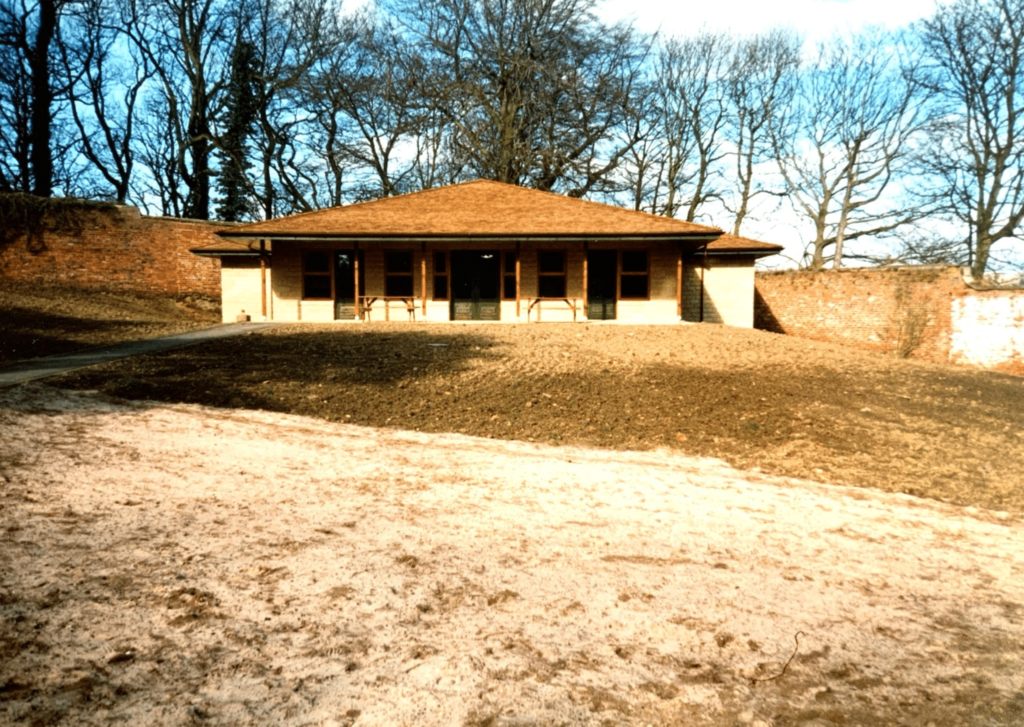
Renwick, the other indoor accommodation, was used by hundreds of Guides for camps over the next decade, however, the use became restricted in the winter due to water pipes freezing. So, in 1990 much work was done on the building to extend its life, allowing people to stay in the winter and increase the income for Whiteley Wood Camp Site.
Unfortunately, in 1997 Renwick had to be replaced due to the fire risk it posed and the floor, which you could put your foot through. The new building (pictured, above) which was built still stands today and is used by many groups both for camps and day use.